
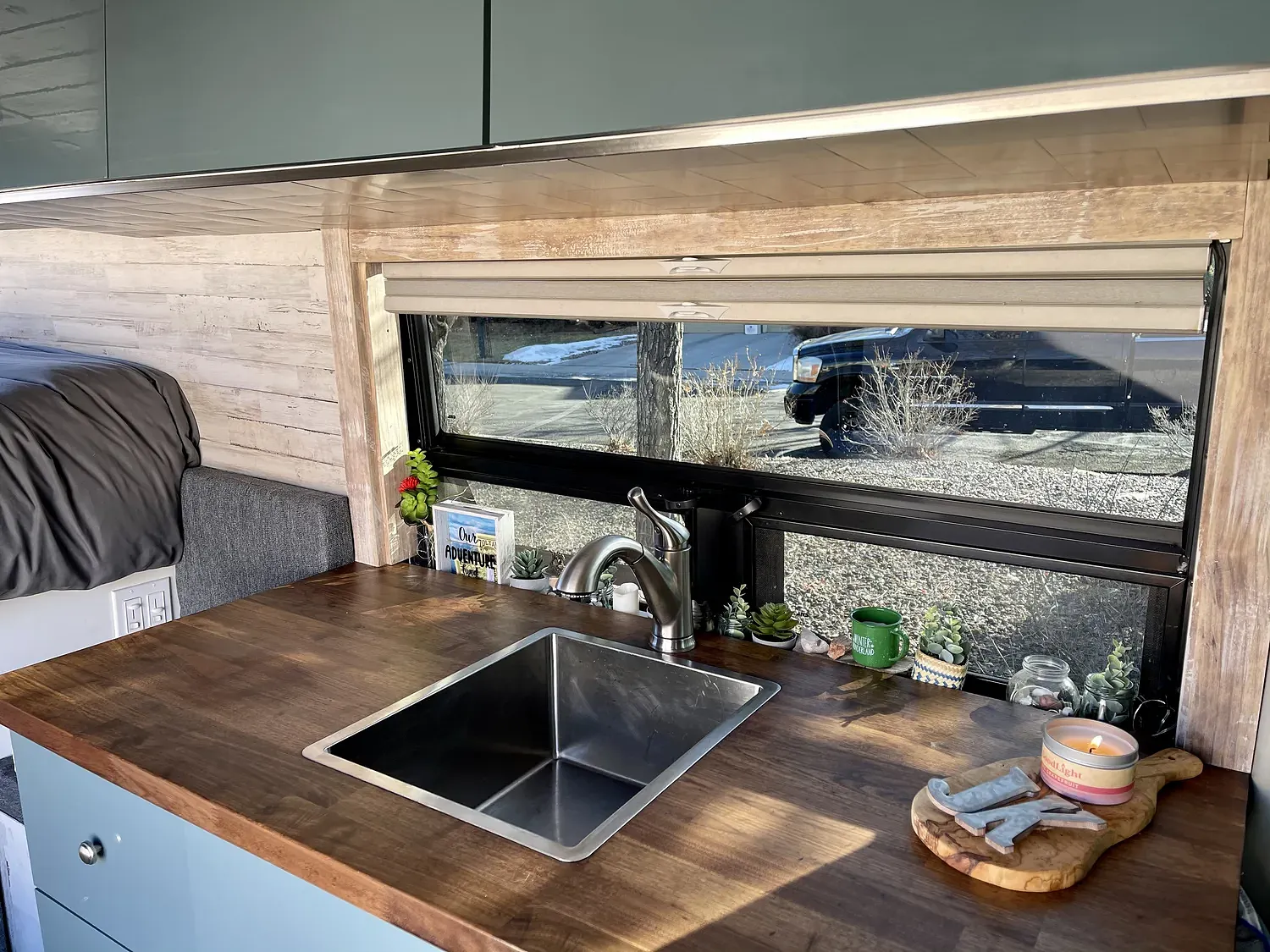
When we upgraded from the Goal Zero Yeti 1400 to the Bluetti Elite 200 V2, I expected it to feel like more of the same but bigger. More watt-hours, faster charging, same general experience.
What I didn’t expect was that it would change how we cook.
Not right away. A month or two after the switch, once we’d stopped thinking about power at all, we bought a Ninja Crispi air fryer. On the Yeti we never would have. An air fryer pulls like a small household appliance, right at the edge of what that old inverter could deliver, so electric cooking like that was simply off the table. We didn’t own the tool because we couldn’t run it comfortably.
The Elite changed that. Between its bigger bank, its fast recovery, and the alternator charger we’d added that tops us off on every drive, we weren’t worried about energy anymore. So we bought the Crispi, and it turned into a whole day. We went grocery shopping for foods we’d never been able to cook in the van, came home, and made a real meal out of them. It was fun. Genuinely exciting. It cracked open a whole new world of cooking on the road.
What Changes After a Power Upgrade#
The headline numbers (watt-hours, charge rate) are real improvements. But the practical change isn’t about the numbers. It’s about what you stop thinking about.
On the Yeti, power was always a running calculation: how much do we have, what do we need tonight, can we afford to add a bigger load? We had enough for how we lived, but there was a constant background hum of managing the budget. Adding a power-hungry appliance meant more of that, so we didn’t.
On the Bluetti, that calculation largely went away. Not because we’re reckless with power, but because the combination of more capacity and faster recovery means the buffer is real. A cooking session that draws 200Wh isn’t a threat to the day when you’re starting at 2,073Wh and can recover 1,000Wh in an hour from a wall outlet.
That mental shift, from managing a tight budget to running a system with real headroom, is the actual value of the upgrade.
The Air Fryer in a Van#
The Ninja Crispi changed van cooking in ways that are hard to overstate. Before it, van cooking was primarily stovetop: one pan, one pot, things that work on an induction burner or in an Instant Pot. Good food, but limited.
An air fryer adds a whole category: roasted vegetables, crispy proteins, reheated leftovers with real texture. It’s better food for the effort, not just convenience.
Here’s why it runs on the Elite and never would have on the Yeti. It comes down to output, the wattage a station can deliver at once, not just how much energy it stores.
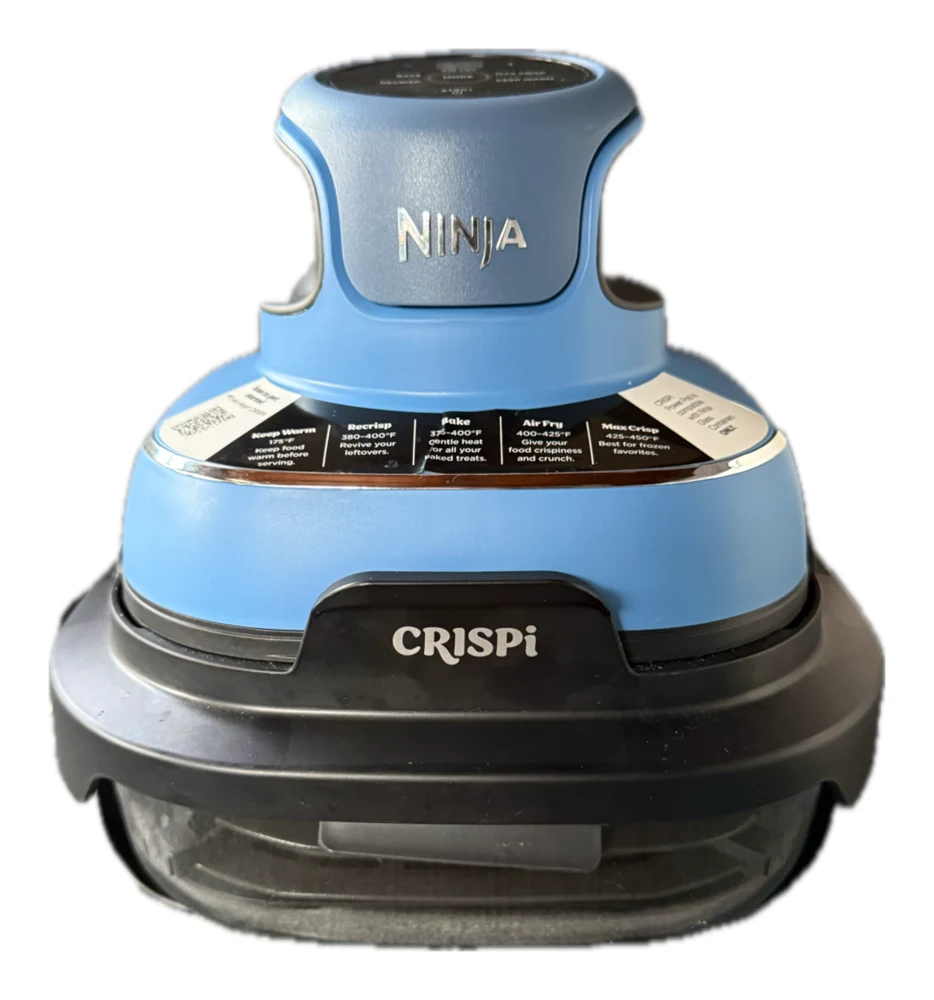
The portable air fryer that opened up van cooking, once we had a power system that could run it.
Ninja Crispi Portable Air Fryer
Check Ninja Crispi on Amazon →We now cook with it multiple times a week. That’s the measure of whether a van upgrade mattered: changed habits, not just changed specs.
Who Should Consider This Upgrade Path#
If you’re running a station in the 1,000–1,400Wh range and finding that high-draw appliances feel off-limits, the issue isn’t willpower or cooking style. It’s math. The math changes at the 2,000Wh tier with fast recovery.
This isn’t an argument for everyone to go bigger. If your daily load is moderate and you have reliable charging access, a 1,000Wh fast-charging station covers most van life use cases comfortably. But if you want the ability to cook with electric appliances without budget anxiety, the jump to a 2,000Wh tier with good recovery speed is where that becomes realistic.
The other key is recovery speed. A 2,000Wh station that charges at 200W doesn’t help much: you’d need 12+ hours to refill after a cooking-heavy day. The Bluetti Elite 200V2’s fast AC charging means a two-hour outlet window meaningfully refills what you spent. That combination (capacity plus recovery speed) is what makes the upgrade feel different in daily life rather than just on a spec sheet.
The Lesson#
Power upgrades aren’t really about the numbers. They’re about what becomes possible.
Ours didn’t just add watt-hours. It added a whole category of food we couldn’t make before, and turned an ordinary grocery run into one of the more exciting days we’d had in a while. That’s the part of the upgrade that mattered: not the spec, but the cooking it opened up.