
The 30-second version
How will you use it?
WeekendsTap for our pick
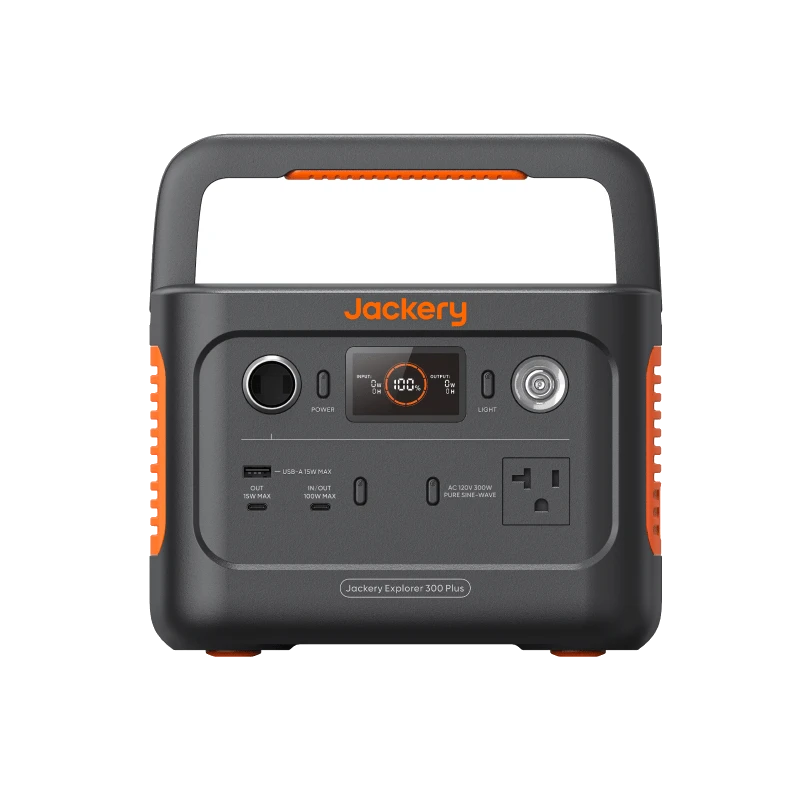
The Jackery Explorer 300 Plus. Enough for lights, phones and a fan, light enough to carry one-handed, and about 2 hours to recharge from the wall. Not enough for a fridge in the heat.
Get the 300 PlusFull-time, with a fridgeTap for our pick
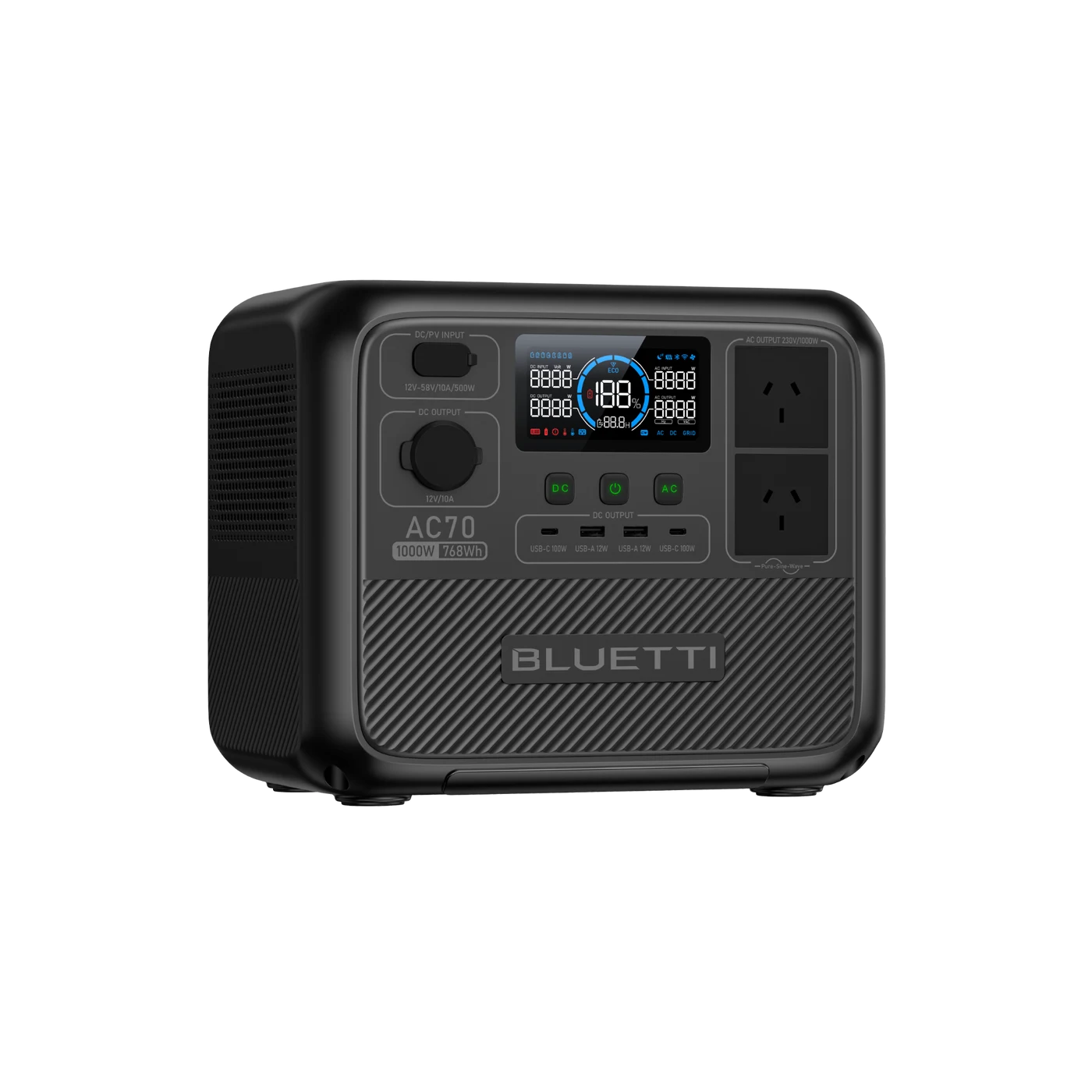
The BLUETTI AC70. 768Wh, the biggest battery on this page and the only one here that keeps a fridge running overnight.
Cook electric, or sit through cloudy weeks? Go a size up: our under-$1,000 picks.
Get the AC70Shop at BLUETTIRead the full guide
Last reviewed: August 2026
Portable power stations under $500 are one of the smartest entry points into van life, if you understand their limits.
After eight years full-time through Colorado winters, Florida humidity, and Arizona sun, here’s where I’ve landed: a budget station can absolutely work. What sinks people isn’t the small battery. It’s buying the battery without a recharge plan.
Quick Answer
If you’re heading into full-time van life, start at 700Wh+ in modern LiFePO4. That used to mean stretching the budget or waiting for a sale; it doesn’t now. The BLUETTI AC70 is 768Wh at $359, which clears the bar inside this tier.
For weekenders or light-load setups, 300–500Wh can absolutely work. Just plan recharge windows and keep loads realistic. The picks below are a LiFePO4 ladder from a 288Wh weekender up to 768Wh, all under $500 at list, so you can match the unit to your real usage instead of your budget’s ceiling.
Price Drift Policy
- We only label a pick as Under $500 right now when it is currently at or below that threshold.
- If a model moves above that threshold, it goes to the More Picks section.
- We do not make exact price promises inside rankings; price status is updated as market pricing changes.
Picks: under-$500 reality#
700Wh under $500 used to be a sale-window find. It isn’t any more. The BLUETTI AC70 sells at $359 for 768Wh Spec, which is more capacity than anything else on this page and more than some units a tier up. That single change is why this page got rewritten: the ladder now runs from a 288Wh weekender to 768Wh, all at regular price, all LiFePO4.
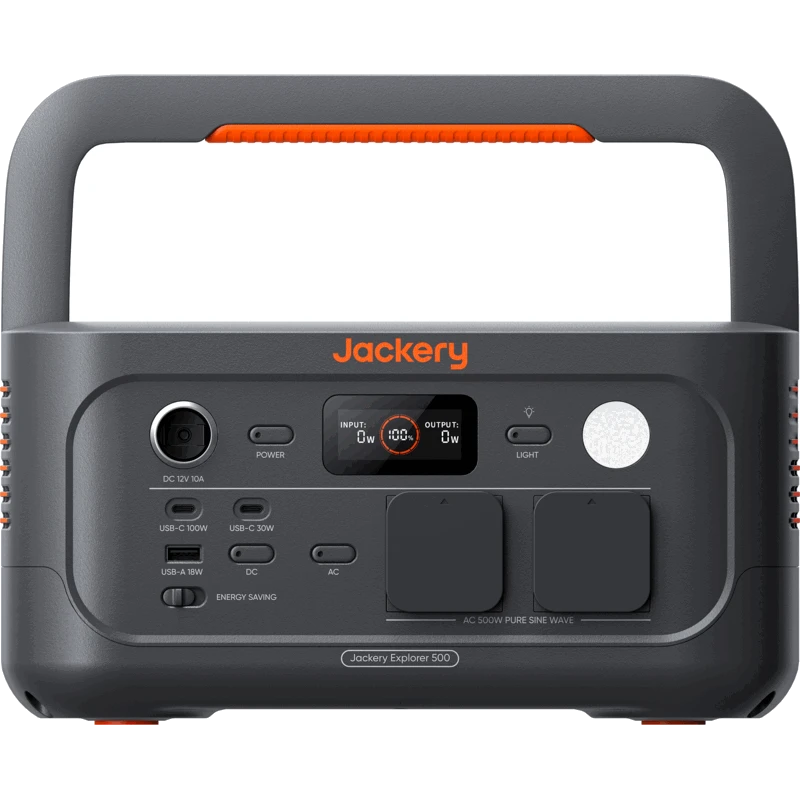
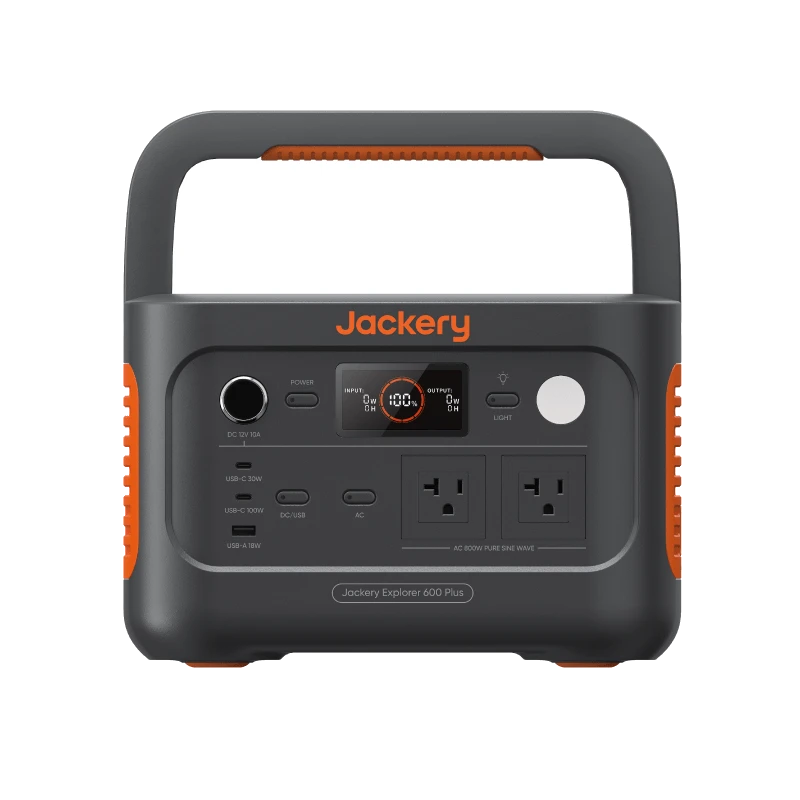
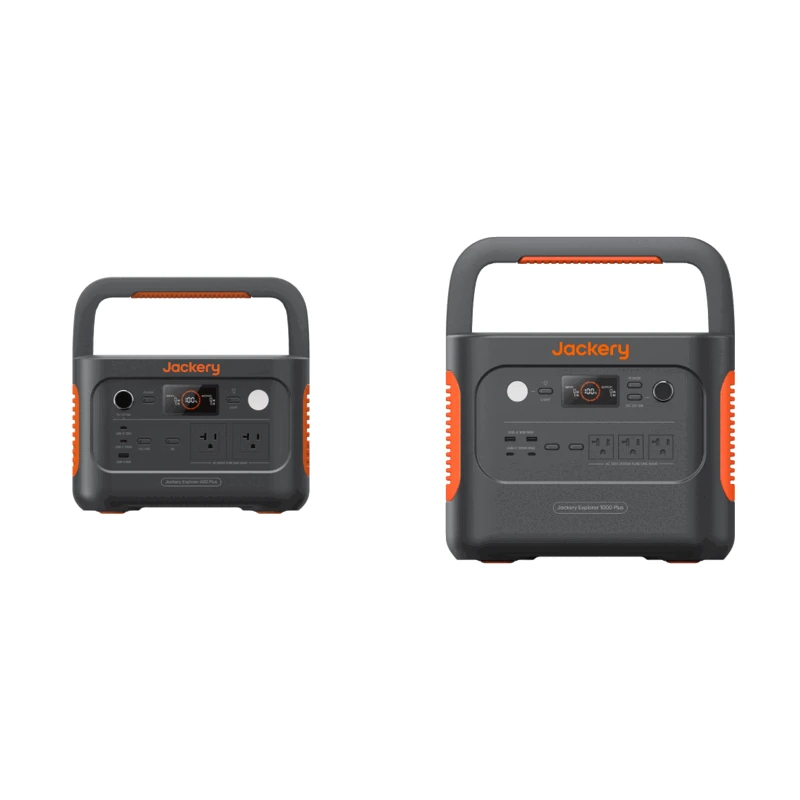
This page stays recovery-first: time-to-recover matters more than raw watt-hours down here, because a small battery you can refill over lunch beats a slightly bigger one that strands you. Match the unit to your actual usage, not to a marketing badge, and watch the naming: on the Jackery units the model number (300 / 500 / 600) is the output rating in watts, not the battery’s watt-hours.
This is the pick that changed the page. 768Wh at $359 is more battery than the Jackery 600 Plus for less money, and it is the only unit here I would trust to carry a 12V fridge through a night without a recovery move in the morning.
Skip if: you want the lightest thing that runs a laptop. At 22.5 lbs it is nearly three times the weight of the 300 Plus, and if your real daily draw is 100–200Wh you are paying for capacity you will not touch. 768Wh also assumes you get a shore-power window most days; if you regularly go a few days without one, or you hit two cloudy days back-to-back with the fridge running hard, you want the ~1kWh tier instead.
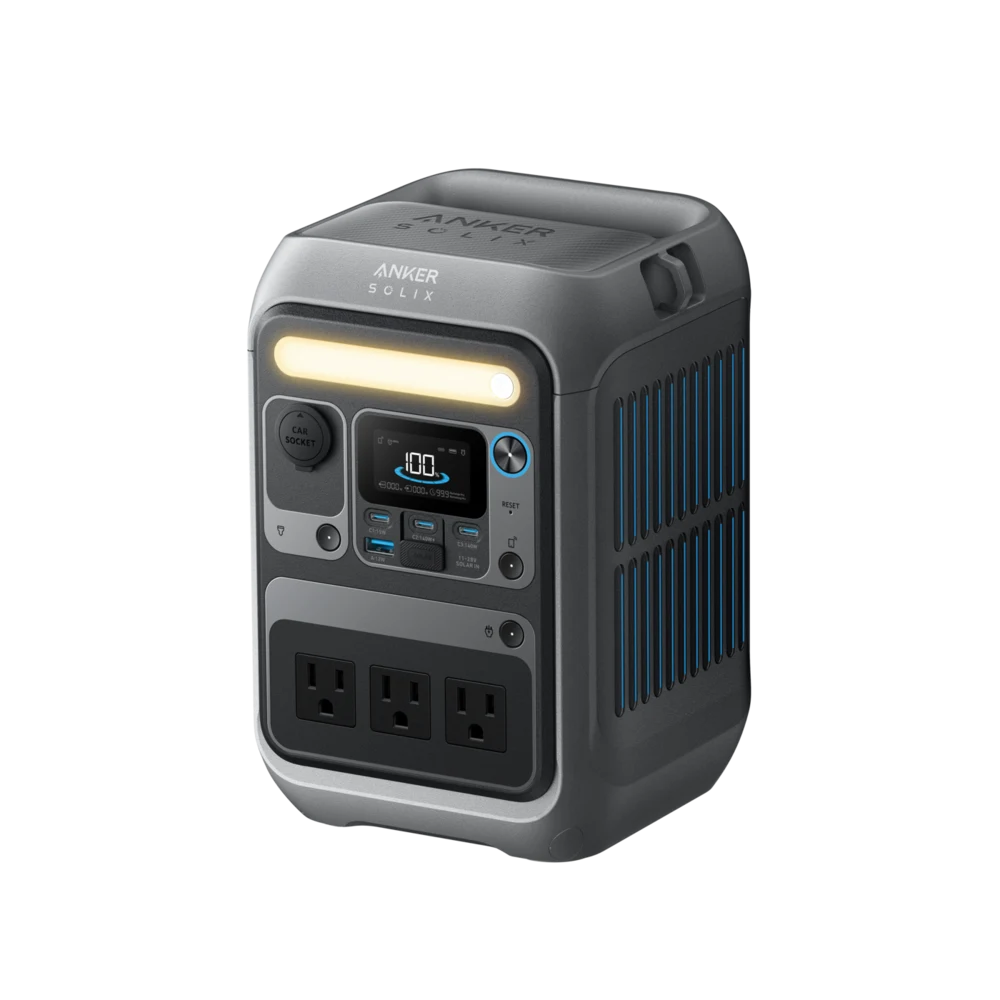
Same capacity as the Jackery 300 Plus and usually the cheaper of the two, so if you are shopping this slot it is worth checking both on the day. Anker’s warranty and support record is the reason I list it rather than treating the 300 Plus as the only answer at 288Wh.
Skip if: you need AC headroom. 300W continuous rules out a kettle, an induction hob, and most air fryers, which is the same ceiling the Jackery hits.
Is this tier right for you?#
Tap the situation that sounds like you.
🆕 I'm new to van life and testing the lifestyle. Good fit
Yes, under $500 is the right tier for you. Track your actual daily Wh for two or three trips before scaling up. The mistake at this tier isn't buying small; it's buying based on marketing claims instead of your real usage.
The 300–500Wh weekender lane gets you data without overcommitting. If your real daily usage lands above 500Wh consistently, you'll know it's time to move up, and you'll know exactly where to size next.
💻 I run laptop + fridge + fans daily, but I cook with propane. Fits with caveats
Yes, and you no longer need a sale or a refurb to do it. Stay in the 700Wh+ band and the AC70 gets you there at list. The 300–500Wh class will leave you stranded the first time the fridge runs hot for a few days.
Plan a recharge window every day or two. If you drive regularly, alternator charging matters more than extra watt-hours at this size. That's how you turn drive days into active recovery instead of hoping solar catches up.
🍳 I cook electric every night (induction, air fryer, Instant Pot). Skip this tier
Skip the under-$500 tier. Electric cooking burns 200–400Wh per meal. A 700Wh station won't survive a single day of this load, let alone a cloudy stretch.
This is a 2kWh+ problem. If electric cooking is your routine, look at the Under $1k tier at minimum, or the 2kWh+ premium picks if budget allows.
☁️ I park for long cloudy stretches and can't drive often. Skip this tier
This tier won't survive three or more cloudy days with a fridge load. Sun-dependent recovery breaks down here.
If you can't generate active recovery (drive or shore power) every other day, you need capacity buffer, not a smaller station with a fast charger. Move up to Under $1k at minimum.
What 8 years on budget power taught me#
Recharge speed beats raw watt-hours +
Mission Beach, San Diego, overcast week. I'd carry the 45-pound Yeti 1400 into a coffee shop, plug into a wall outlet for two hours, and gain about 8% back. That's the Yeti's 25-hour wall charger doing its thing.
When I finally upgraded to a station that refills in about 90 minutes, it didn't feel like a better Yeti. It felt like a different appliance. All that paper capacity meant nothing in a bad-weather week if I couldn't refill it. The unit you can actually recover from is the one that works.
When you're shopping under $500, look at the wall-charge time before the watt-hour number. A 700Wh station with sub-2-hour wall recovery beats a 1kWh station with a 6-hour charger every time.
Why climate breaks budget tiers first +
In a humid Gulf-coast summer our Dometic CFX65DZ averaged 20–25Wh every hour, around the clock. In mild weather the same fridge on the same setting averages 10–12Wh. Same gear, roughly double the load, and the hot version costs about 275Wh more per day.
Budget tiers don't have the buffer to absorb the difference. A 700Wh station that handles a Colorado day comfortably can zero out by mid-afternoon in Florida summer. Size for the worst week you'll realistically encounter, not the average.
If your van life will include hot summers in humid climates, the under-$500 tier becomes a stretch. Plan a recovery move (alternator, shore power, generator) you can deploy daily, not weekly.
Alternator charging changed more than capacity ever did +
When we added alternator support (first the Bluetti Charger 1, then the Charger 2), daily stress dropped dramatically. Drive days became active recovery days instead of "we hope solar catches up tomorrow" days.
A modest battery that refills quickly can outperform a larger battery that refills slowly. If you drive regularly, alternator charging is more important than adding extra watt-hours.
Alternator charging for portable power stations covers the wiring and which units support it.
Why I'd start at 700Wh today, not 500Wh +
200Wh of buffer is the difference between "enough" and "constant math." At 500Wh, you spend more mental energy tracking percentage than you save in dollars.
500Wh works for weekenders running light. 700Wh works for full-time weekend-to-weekend if you stay disciplined on cooking and use shade in summer. Below 700Wh, recovery options shrink fast: you can't absorb a single bad weather day without active intervention.
If full-time van life is the goal, land at 700Wh+. You used to have to save longer or wait for a sale event to get there; at $359 for 768Wh you don't. The buffer pays for itself in stress reduction.
What can 700Wh run?#
- 6–8 hours of laptop work
- Fridge cycling in moderate climate
- LED lighting all evening
- Device charging (phones, tablets, headlamps)
- Fans overnight
- Convection cooking (150–250Wh per session)
- Air fryers (200–350Wh per meal)
- Instant Pots (150–300Wh per meal)
- High heat + high fridge runtime
- Two or more cloudy days back-to-back
Frequently asked#
Is 500Wh enough for van life? +
For weekenders and light loads, yes. For full-time with a fridge, fans, and a laptop in hot/humid weather, it leaves almost no margin. If full-time is the goal, aim for 700Wh+.
Can I run a refrigerator on a budget power station? +
Yes, but climate changes the math more than the spec sheet does. In hot environments, fridge runtime can hit 70–80% of the day. In moderate climate, 40–50%. Same gear, completely different load.
How much daily usage is normal? +
Many full-time van setups fall between 500–1000Wh per day depending on cooking, climate, and work routines. The answer is: track your own for two weeks. Most people are surprised by either how much or how little they use.
Should I oversize my system? +
Scale gradually, but design your system so you can grow without replacing everything. The right move is buying the smallest tier that survives your real worst week, not the cheapest one that handles your average day.
Decide your next step